
Planning a trip usually eats an evening. Tabs everywhere — a maps list, a weather site, a hotel search, a "best things to do in Moab" article from 2019. By the time you've stitched it together, you're tired of the trip before it starts.
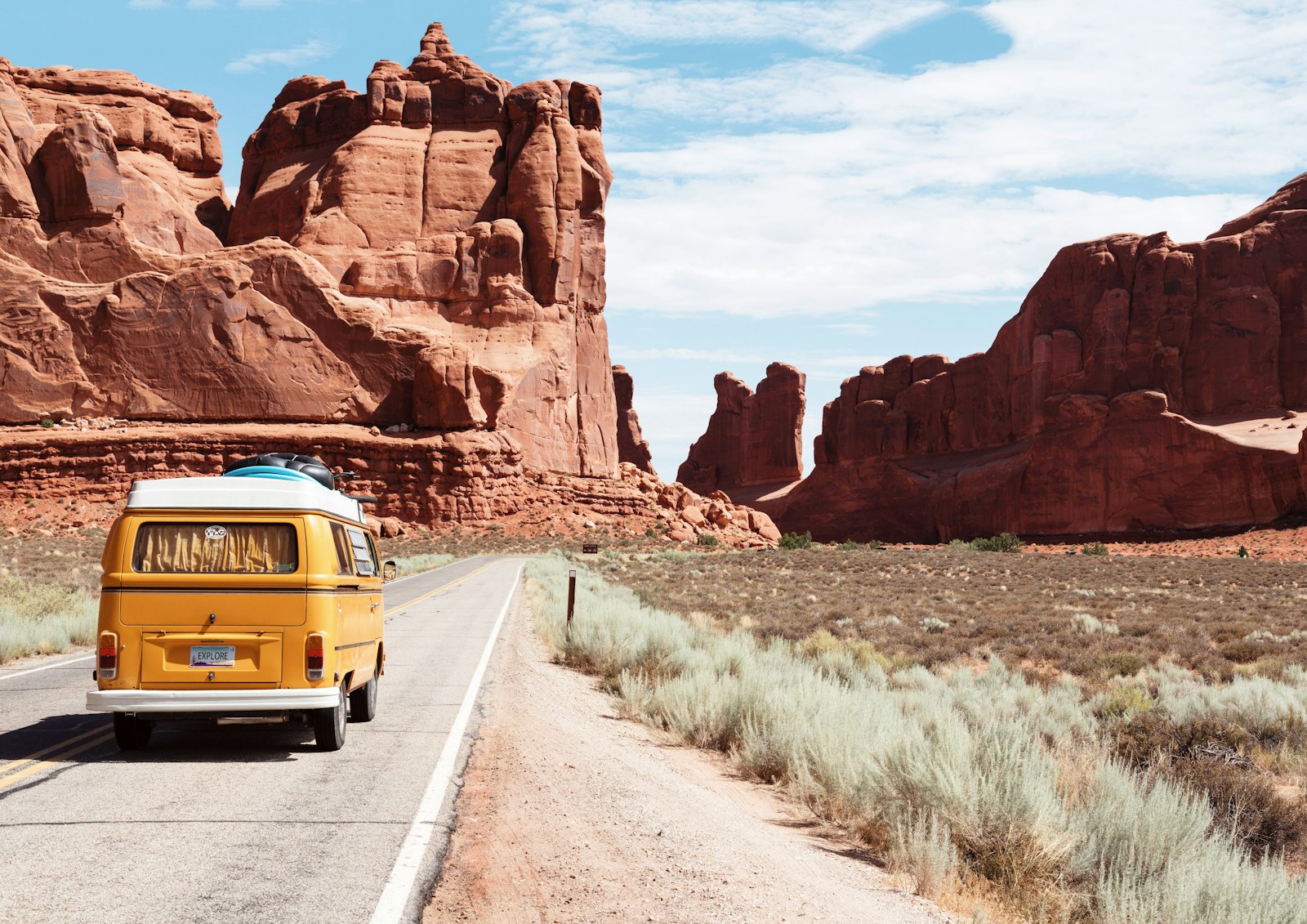
We wanted to see how fast Wanderply could do the same job. So we made a coffee and started a two-day Moab trip. Here's what happened before the mug was empty.
Minute 1 — the questions that matter
Wanderply didn't ask for an essay. It asked where (Moab), when (a weekend), who (two adults), and the four levers that actually change a trip: pace (balanced), budget (moderate), preferences ("one real hike, good coffee, no crowds after dark"), and transport (our own car, coming from Salt Lake City).
Because we gave it an origin, it did something most planners don't: it offered to plan the drive itself — the worthwhile stops between SLC and Moab — as timed activities, not just the endpoints.
Minute 2 — the must-do
We added one non-negotiable: Delicate Arch at sunset. Wanderply took it as an anchor and built the rest of the day around it, honoring the timing instead of dropping it in a generic list.
Minutes 3–4 — the build
We hit build and went back to the coffee. When we looked up, there was a real itinerary:
- Day 1 — the drive down with a couple of genuinely good stops, an easy afternoon in Arches, then Delicate Arch timed for golden hour.
- Day 2 — a morning hike (we'd said "one real hike"), lunch in town, and a relaxed drive home.
Every stop had verified coordinates — Wanderply geocodes each one, because AI models are notorious for inventing map pins. There was a packing checklist already filled in (sun protection, more water than you think, layers for the temperature swing) and a clean, readable plan.

The part that surprised us
Each major stop came with a short spoken narration — the why behind the place, written to be played as you pull in, like your own tour guide in the passenger seat. And the per-day weather wasn't a fake forecast for a weekend three weeks out; it showed the typical conditions for those calendar dates, clearly labeled, so we packed for reality.
Why this matters
The point isn't that a computer made a list. The point is that the plan was good enough to actually use — and it left us with the part of trip planning that's fun (getting excited) instead of the part that's a chore (assembling logistics from twelve tabs).
If you've got a weekend and a direction, start a trip for free and see how far you get before your coffee's cold. Or, if Moab's on the list, we've got a hand-built road-trip guide waiting to open straight into the planner.